Electric Bikes Explained: How E-Bikes Are Redefining Everyday Mobility
Electric bikes are no longer a niche product or a passing trend. Over the past few years, e-bikes have become one of the most practical, efficient, and enjoyable ways to move, especially in urban and mixed-terrain environments. By combining human pedalling with electric assistance, e-bikes offer a smarter alternative to cars, public transport, and even traditional bicycles.
This article breaks down what e-bikes really are, how they work in real life, and why they’re becoming a core part of modern transportation.
What Is an E-Bike, Really?
An e-bike is a bicycle equipped with an electric motor that assists your pedalling rather than replacing it. The key idea isn’t automation — it’s efficiency. You still ride, balance, steer, and pedal, but the motor helps you overcome friction: hills, headwinds, longer distances, and fatigue.
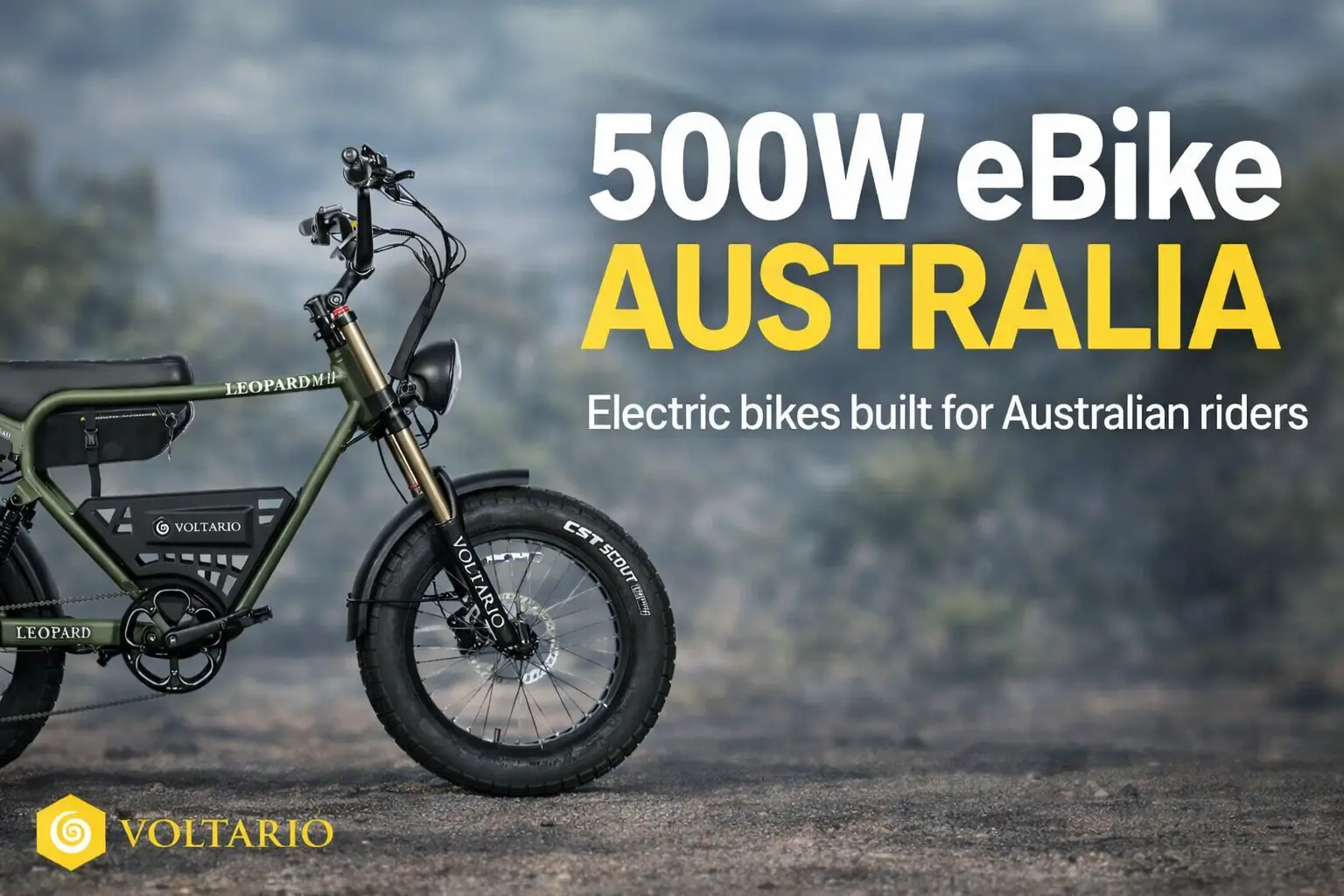
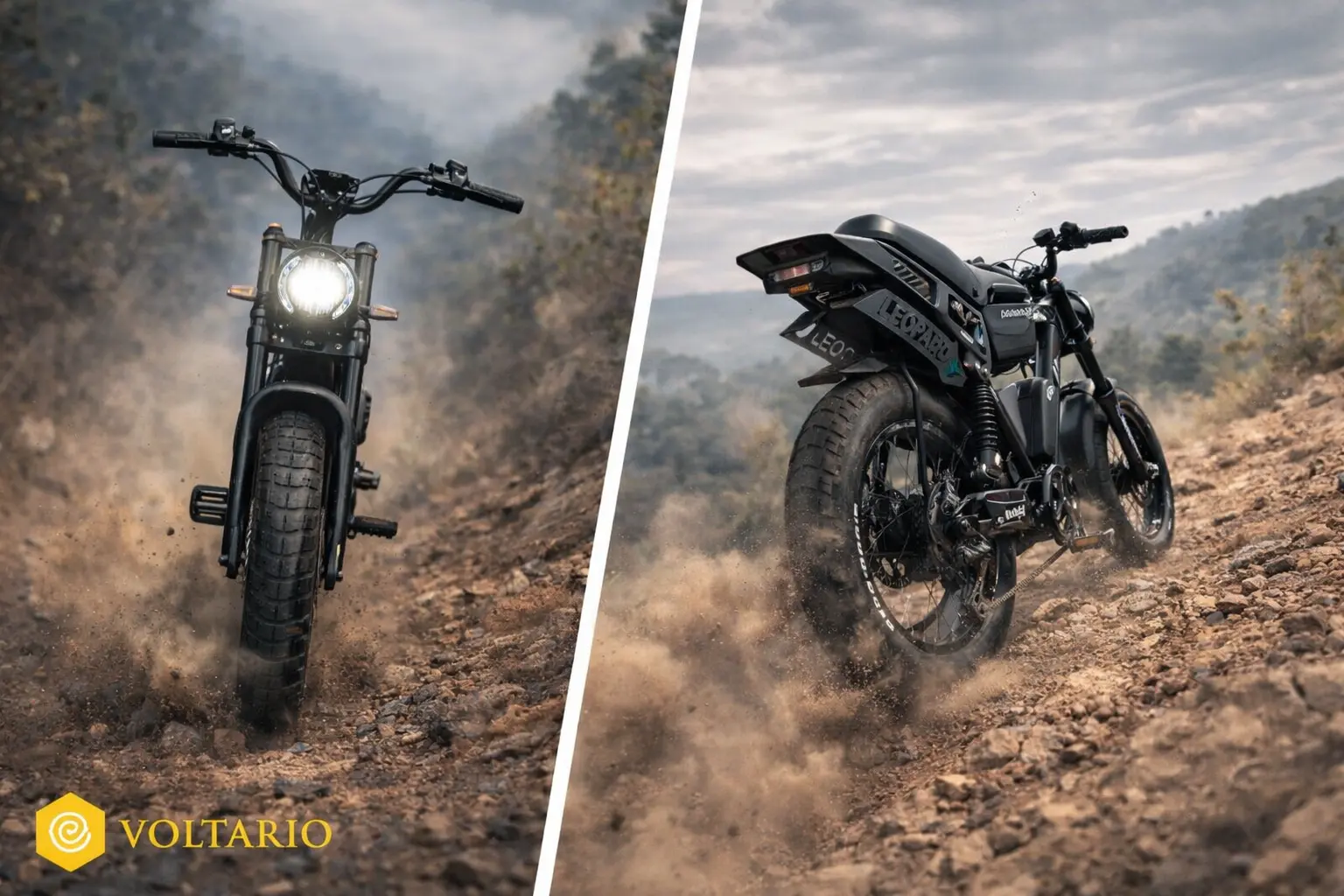
Voltario, Leopard Mark II, Full (Front & Rear) Suspension
- 3220W Total Peak Power
- Front 1610W Peak Power VOLM™ Motor
- Rear 1610W Peak Power VOLM™ Motor
Modern e-bikes come in many forms:
- Urban commuter bikes
- Fat-tyre and off-road models
- Cargo and utility bikes
- Folding e-bikes for compact storage
This flexibility is why e-bikes work for such a wide range of riders and lifestyles.
How E-Bikes Work in Real-World Riding
Most e-bikes use a pedal-assist system (PAS). When you pedal, sensors detect your input and deliver proportional motor support. The harder you pedal, the more assistance you receive — smoothly and naturally.
Some models also include a throttle mode, which allows motor power without pedalling. While useful in certain situations, most riders rely on pedal assist for better control, efficiency, and battery range.
Core Components of an E-Bike
-
Motor
Located either in the wheel hub or near the crank. Determines torque, hill-climbing ability, and load handling. -
Battery
Rechargeable, often removable, and designed for daily use. Real-world range varies based on terrain, rider weight, and assist level. -
Controller & Display
Lets riders select assist modes, monitor battery levels, and fine-tune their riding experience.
Why More Riders Are Choosing E-Bikes
1. A Cleaner Way to Move
E-bikes produce zero direct emissions and dramatically reduce reliance on cars for short and medium trips. Fewer cars mean less congestion, cleaner air, and quieter streets.
2. Lower Everyday Costs
Compared to driving, e-bikes are extremely affordable to run. Charging costs are minimal, maintenance is simple, and most regions don’t require registration or insurance. For regular commuters, the savings add up quickly.
3. Fitness Without Burnout
E-bikes don’t eliminate exercise — they make it sustainable. Riders stay active without overexertion, which leads to more consistent riding and long-term health benefits.
4. Practical Flexibility
Need a fast commute one day and a relaxed ride the next? E-bikes adapt. Riders can increase assistance on tough days or reduce it when they want more physical effort.
5. Accessibility for More People
Electric assistance opens cycling to people who might otherwise avoid it — older riders, those recovering from injury, or anyone put off by hills and long distances.
Why Voltario?
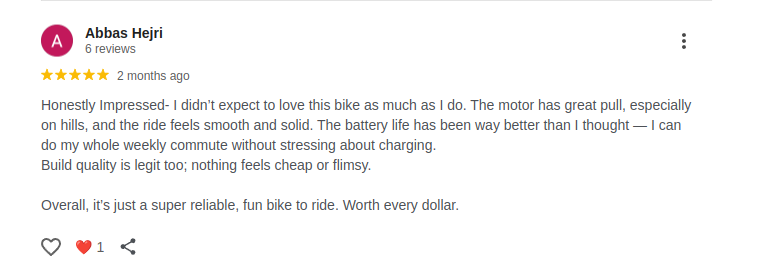
Voltario was built to solve a real problem: electric bikes that look good on paper but fail in everyday riding. Instead of chasing exaggerated specs, Voltario focuses on what actually matters — usable power, reliable battery performance, and designs made for adult riders and real conditions. Every Voltario e-bike is tuned for balance, durability, and comfort, so it feels natural to ride and dependable over time. No hype, no shortcuts — just electric bikes that work the way they should, every day.
E-Bikes and the Future of Urban Transport
Cities worldwide are facing the same challenges: traffic congestion, rising fuel costs, and environmental pressure. E-bikes are emerging as a real, scalable solution.
Reducing Congestion
Short car trips make up a large portion of urban traffic. E-bikes replace many of these trips while moving efficiently through bike lanes and dense areas.
Seamless Transport Integration
E-bikes now integrate easily with public transport systems, bike-share programs, and urban infrastructure — enabling smooth, multi-modal commuting.
Rapid Technology Advancements
By 2026, improvements in battery efficiency, motor reliability, and smart features like GPS tracking and connectivity have made e-bikes more capable than ever.
FAQ
Q1: What makes an electric bike different from a regular bicycle?
A: An electric bike combines human pedalling with motor assistance. Unlike a regular bike, the motor supports the rider when needed — such as on hills, against wind, or over long distances — without removing the physical experience of cycling.
Q2: How do pedal-assist e-bikes work in real-life riding?
A: Pedal-assist systems detect how hard you pedal and add proportional motor power. This creates a smooth, natural ride that feels like having constant tailwind rather than being pushed by a machine.
Q3: Are e-bikes suitable for fitness and health?
A: Yes. E-bikes encourage consistent riding by reducing strain. Riders can increase or decrease assistance depending on fitness goals, making long-term activity more sustainable than traditional cycling for many people.
Q4: Can e-bikes realistically replace cars for everyday travel?
A: For short to medium distances, yes. Many urban riders use e-bikes instead of cars for commuting, errands, and daily travel, reducing costs, traffic, and emissions.
Q5: Why are e-bikes becoming important for future urban mobility?
A: As cities grow denser and fuel costs rise, e-bikes offer a clean, efficient, and space-saving solution that fits modern infrastructure better than cars.
Voltario Offer - Buy Now!

The Smarter Way to Move in 2026